Malaysia · Southeast Asia
Malaysia
A melting-pot of Malay, Chinese and Indian worlds under one steamy tropical sky — soaring towers, rainforest older than the Himalayas, island beaches, and quite possibly the best street food in Asia. Visa-free, cheap, and criminally overlooked by Indians who fly right over it to Bali.
from ₹60k average trip from India
Why visit Malaysia
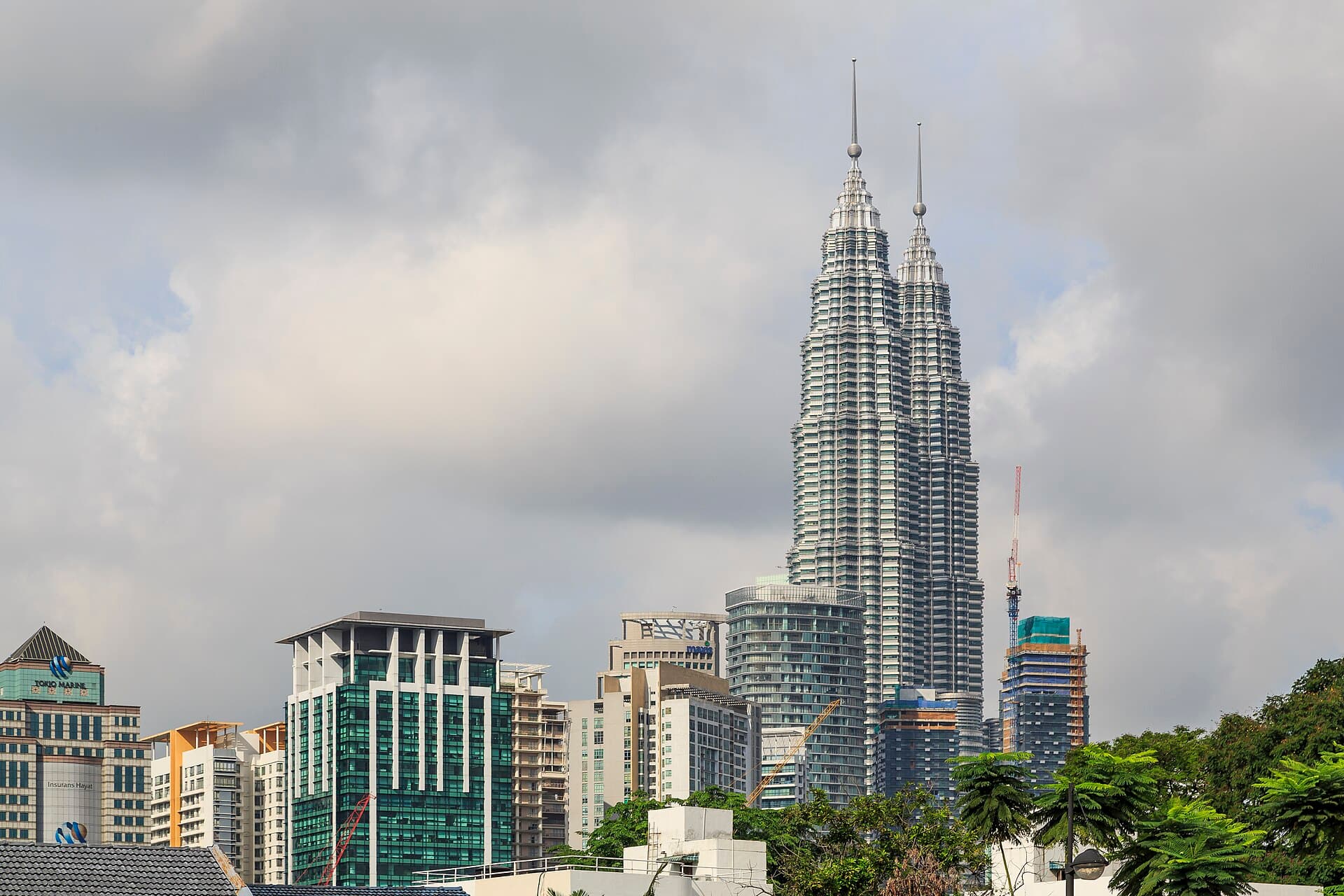
Malaysia is what happens when three great cultures share one country and decide, mostly, to get along. On a single street you’ll pass a Chinese temple, an Indian mosque and a Malay food stall, and the whole thing smells of clove cigarettes, incense and something delicious frying. Kuala Lumpur throws up the Petronas Towers and glassy malls; a couple of hours away, some of the oldest rainforest on the planet drips with the same humidity; and offshore, islands like Langkawi and the Perhentians serve up the beaches. It’s a lot of country for the money.
For an Indian traveller it’s an almost absurdly easy sell that everyone overlooks. It’s a short, cheap, visa-free hop — you can walk straight off the plane — English is widely spoken, and a large Indian-origin community means proper banana-leaf meals and a Little India in every city. Halal and vegetarian food is everywhere, prices are gentle, and it works beautifully as a stopover en route to Bali or paired with Singapore, an hour’s flight or a bus ride away.
The food, though, is the real reason to come. Malaysia is one of the great eating countries on earth precisely because of its mongrel heritage — nasi lemak for breakfast, char kway teow from a Penang hawker, an Indian-Muslim mamak roti canai at midnight, and laksa in a dozen regional accents. Base yourself in KL and Penang for the food and culture, add Langkawi or the islands if you want beach time, and don’t rush; the joy here is in the grazing.
Best time to visit Malaysia from India
December to February and June–July are the drier, brighter windows — though this is the equator, so warm and humid is the year-round default.
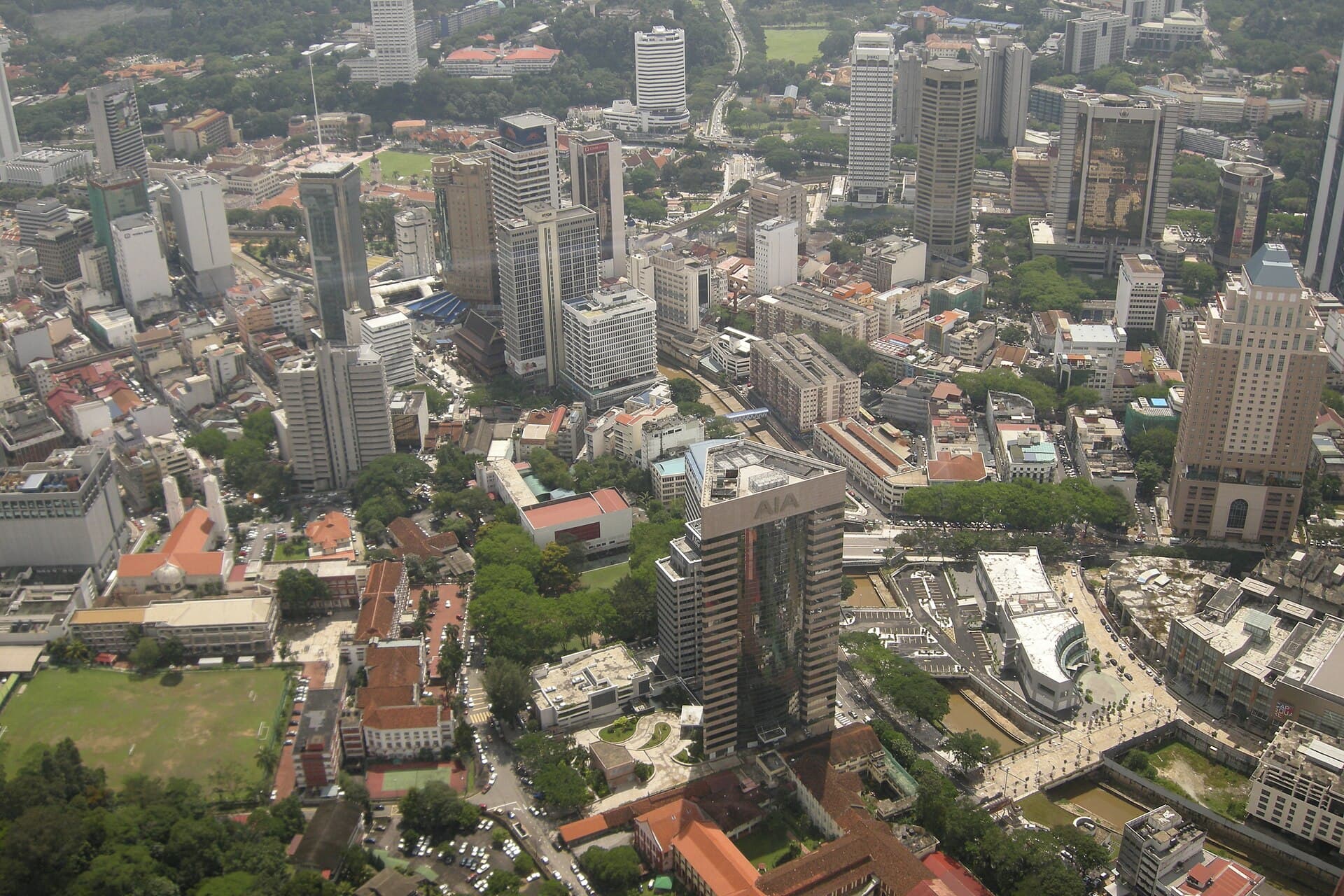
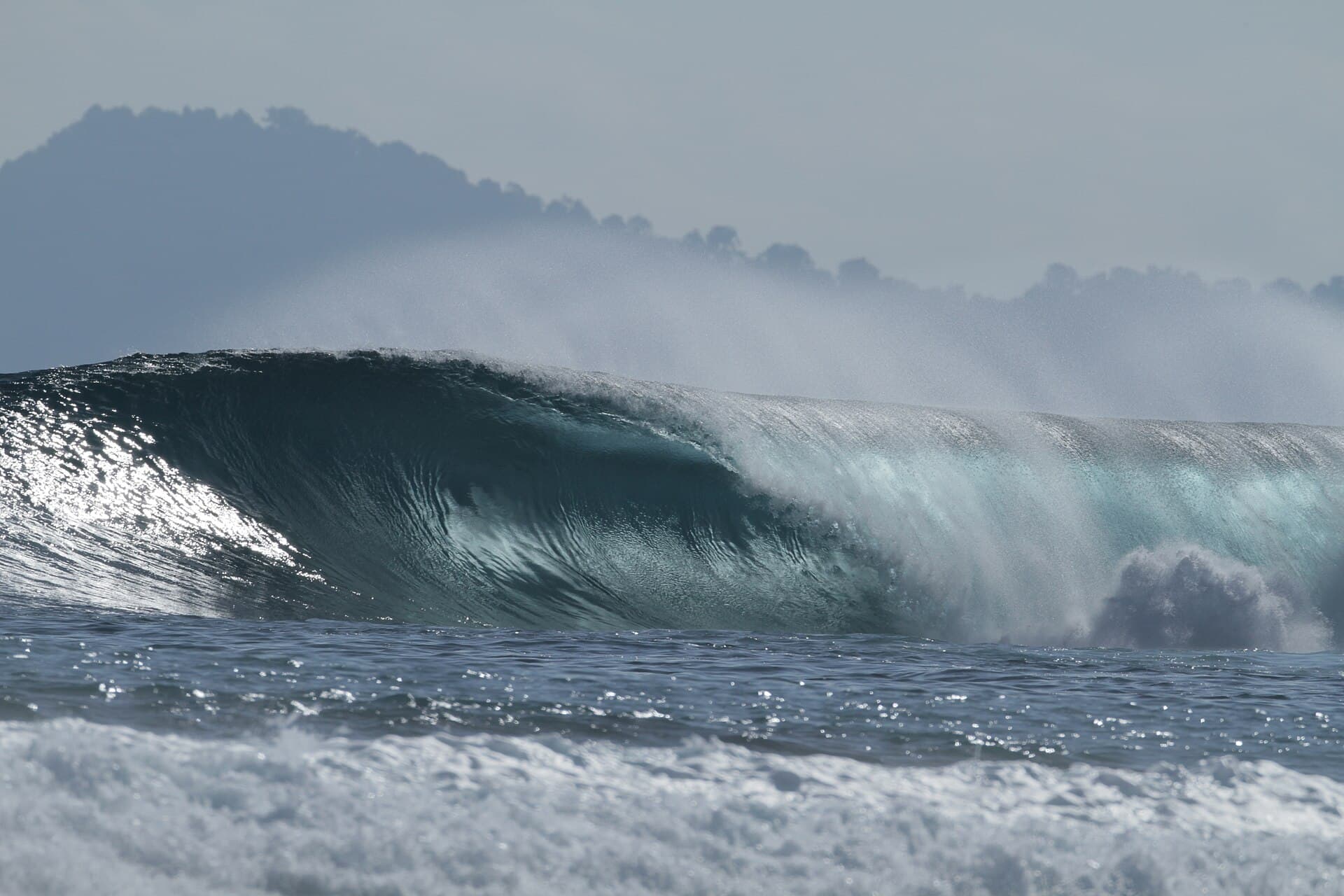
Malaysia straddles the equator, so it’s hot and humid all year with rain never far away — but the two monsoons hit opposite coasts, so there’s usually a dry side. December–February suits the west coast (KL, Penang, Langkawi); the east-coast islands (Perhentians, Redang) are best May–September and largely shut in the November–February monsoon. Pack light, quick-dry clothes and an umbrella whenever you go.
DecJanFebJunJul
Malaysia visa for Indian passport holders
Good news — Malaysia is visa-free or visa-on-arrival for Indian passport holders.
- TypeVisa-free entry (up to 30 days)
- Processing~0 days
- CostFree
Indian passport holders get visa-free entry for stays up to 30 days — no e-visa, no fee, nothing to arrange. You do need to fill in the free online arrival card (MDAC) within three days of travel, so do that and keep the confirmation handy.
How much does a Malaysia trip cost from India?
| Item | Estimated cost |
|---|---|
| Flights (return) | ₹20,000 |
| Hotels / stay | ₹16,000 |
| Food | ₹8,000 |
| Local transport | ₹5,000 |
| Activities & sightseeing | ₹9,000 |
| Total · 6 days | ₹58,000 |
Things to do in Malaysia
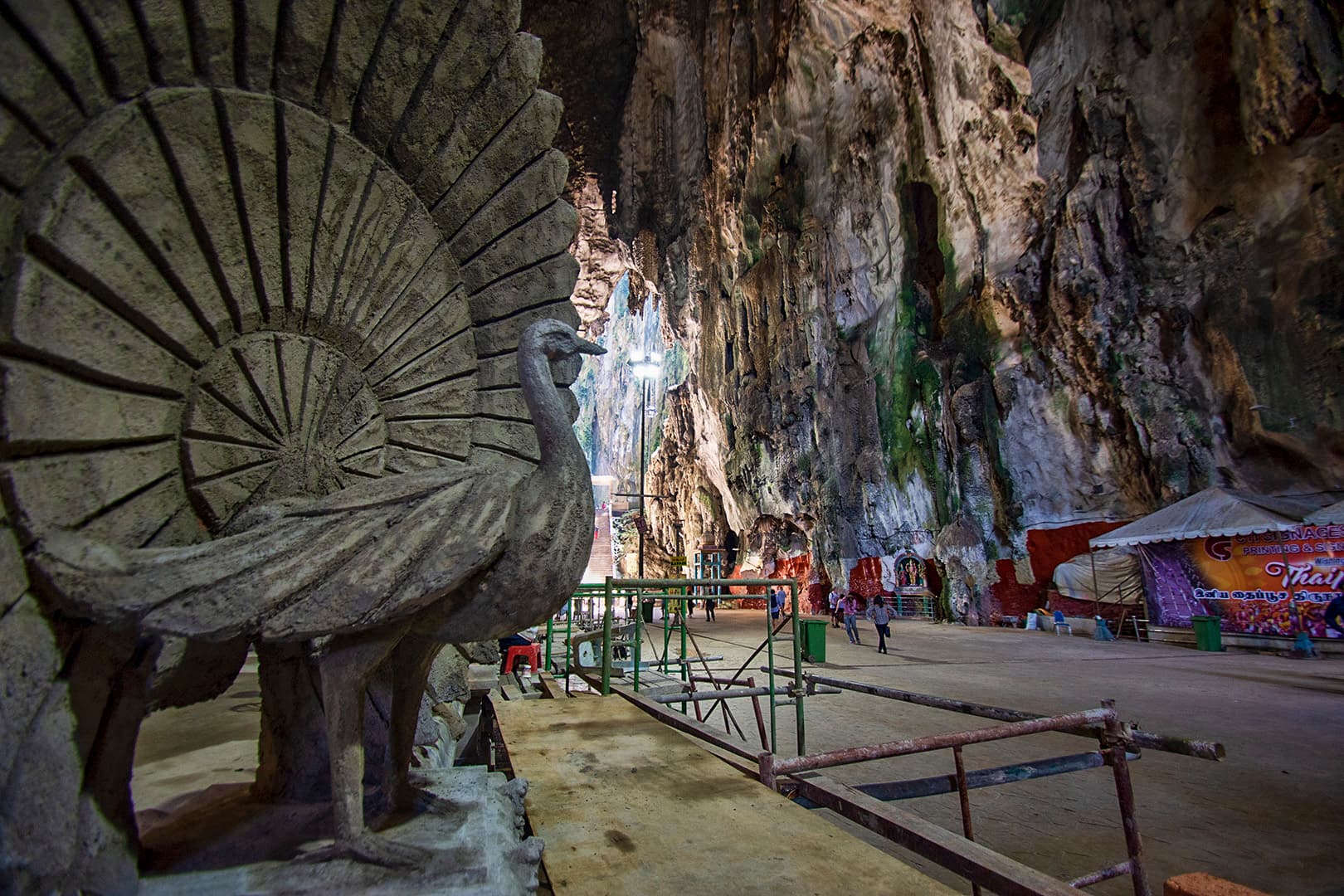 Batu CavesA riot of colour on KL’s northern edge: a 42-metre gold statue of Lord Murugan guarding a rainbow staircase of 272 steps that climbs into a vast limestone cave temple. It’s a working Hindu shrine — and during Thaipusam it hosts one of the most intense festivals you’ll ever witness. Go early, mind the cheeky macaques, and for Indians it lands somewhere between foreign and completely familiar.
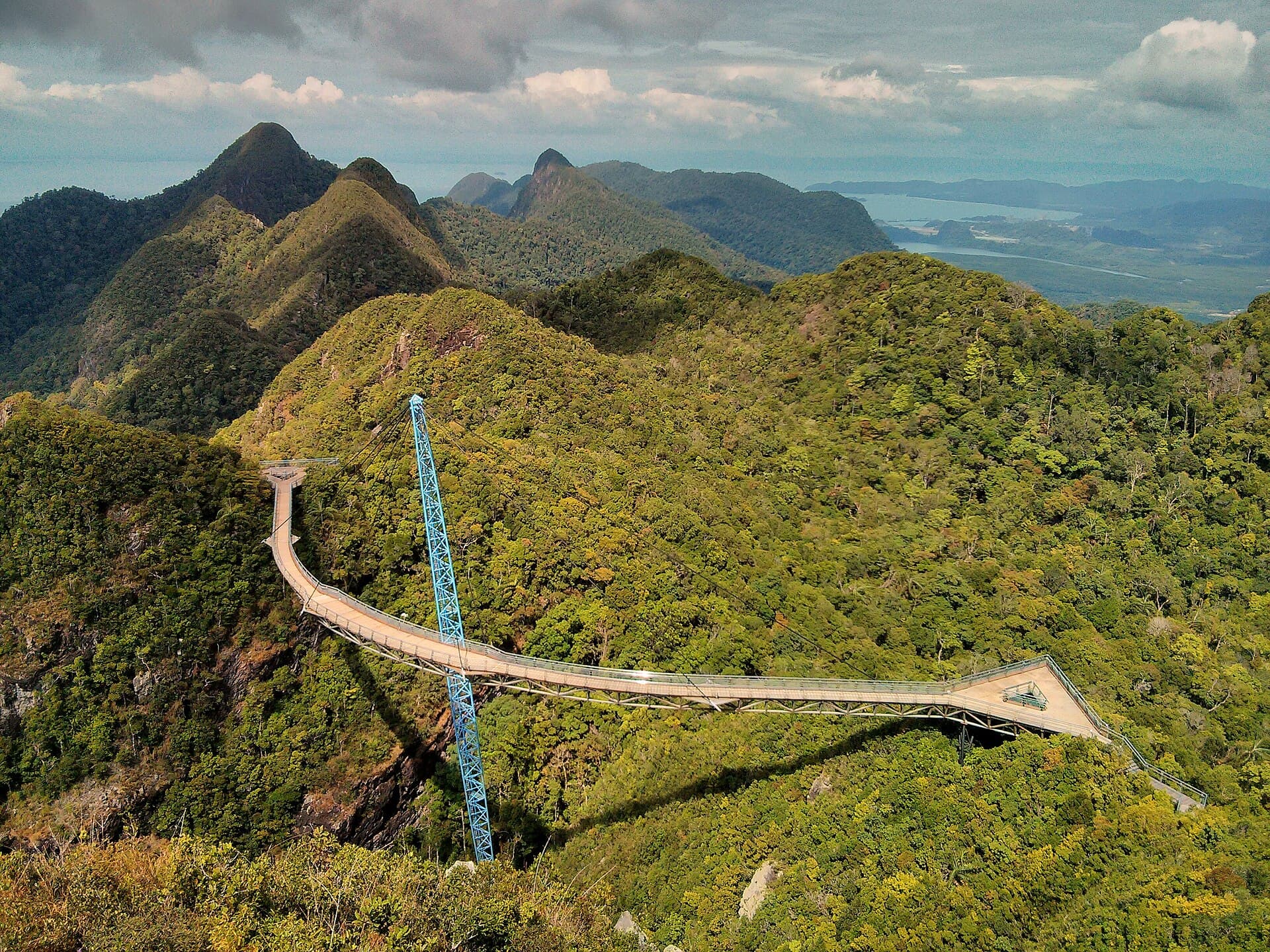 Langkawi & the islandsWhen the cities get too hot, Malaysia’s islands deliver. Langkawi is the easy one — a cable car and a vertiginous sky bridge with rainforest-and-sea views, mangrove boat tours, duty-free beaches and eagles wheeling overhead. If you want it wilder and snorkel-clear, the Perhentian and Redang islands off the east coast are the reward for a little more effort.
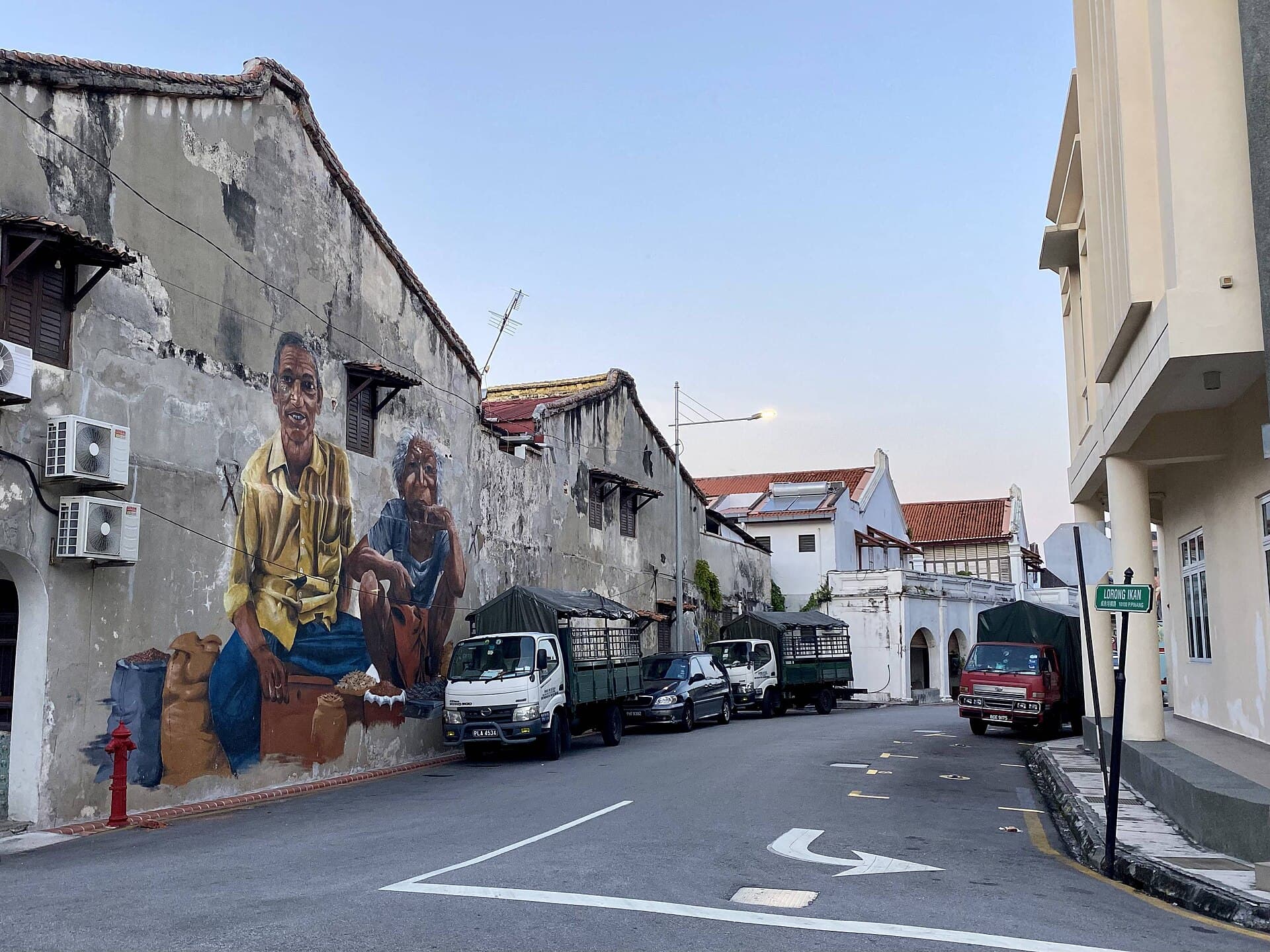 George Town, PenangA UNESCO-listed old port town that’s become Malaysia’s soul — shophouse cafés, clan temples, world-famous street art hidden down its lanes, and a hawker scene many Malaysians will tell you is the best in the country. Spend a day walking it with an empty stomach and a phone full of space; you’ll fill both.
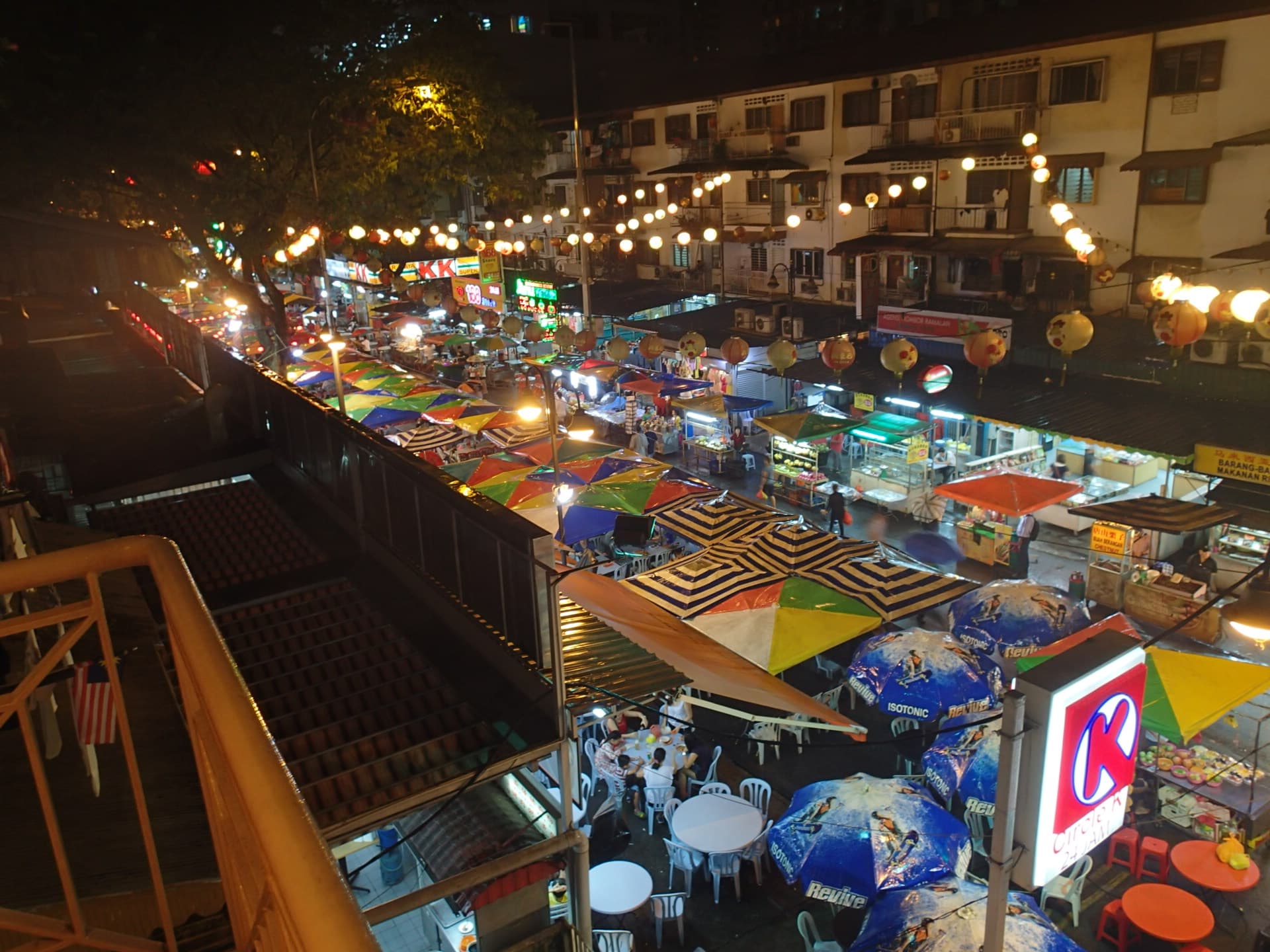 Eat your way down Jalan AlorKL’s most famous food street comes alive after dark — a neon-lit stretch of open-air stalls and plastic stools where you point, sit and eat: satay, grilled stingray, char kway teow, cut fruit and a fresh coconut to cool it all down. Touristy now, sure, but still delicious, and the easiest crash course in Malaysian food you’ll get.