Maldives · South Asia
Maldives
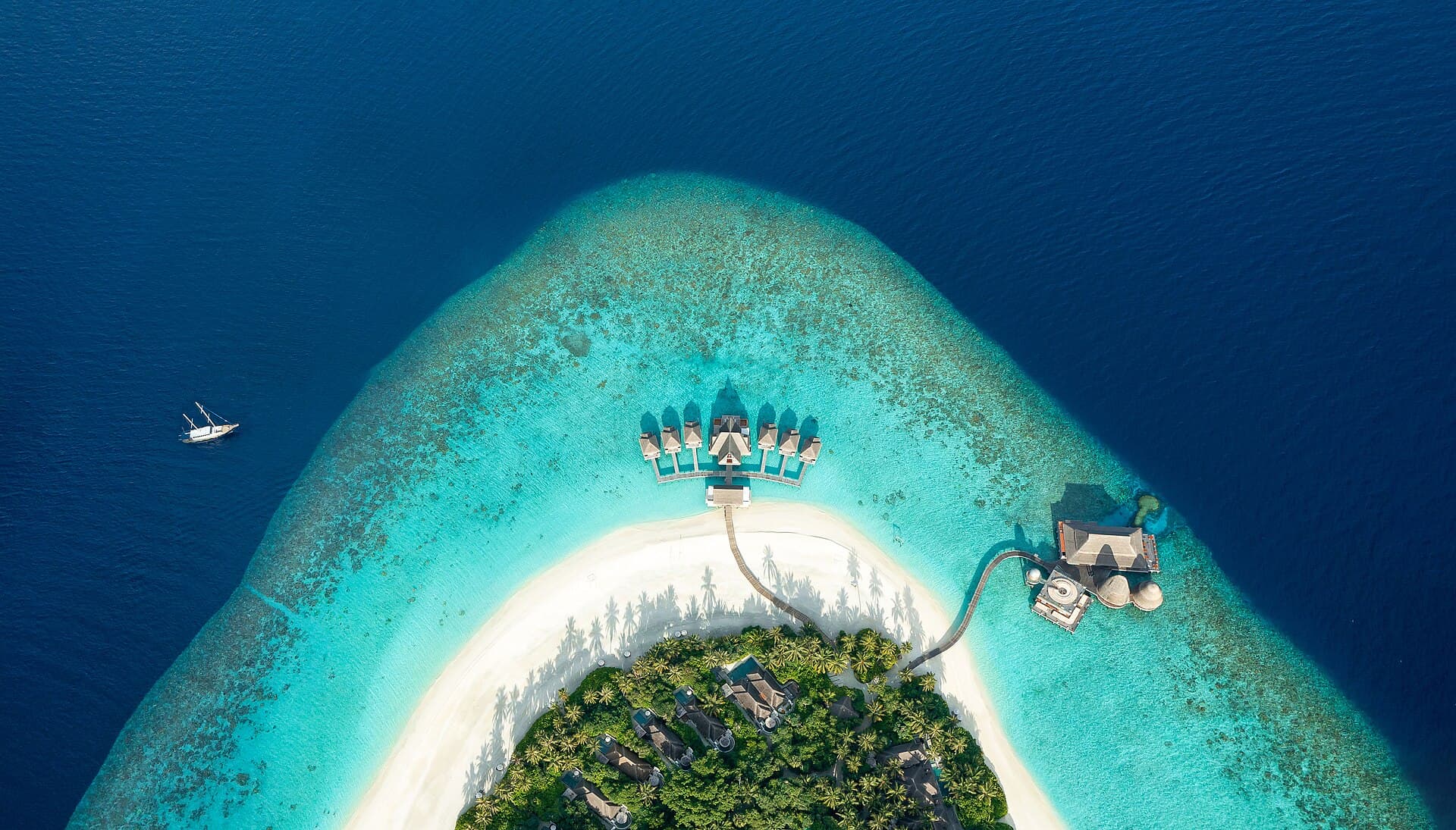
A thousand-odd islands scattered like confetti across the Indian Ocean — impossibly blue lagoons, overwater villas and reefs teeming with life, a short flight from India. Long seen as a honeymoon splurge; increasingly, thanks to local-island guesthouses, a trip regular travellers can actually afford.
from ₹90k average trip from India
Why visit Maldives
The Maldives is almost comically beautiful — some 1,200 coral islands strung across the Indian Ocean, each a postcard of white sand, leaning palms and water so clear it barely looks real. It’s the honeymoon fantasy made geography: overwater villas on stilts, private sandbanks, and a reef a few fin-kicks from your door humming with turtles, rays and reef sharks. There’s not a lot to “do” in the sightseeing sense, and that’s entirely the point.
For an Indian traveller it’s wonderfully frictionless — a short flight, a free visa stamped on arrival, and you’re on a boat or seaplane to your island before the tan lines fade. And here’s what many still don’t realise: it no longer has to cost a fortune. The old image is all US$1,000-a-night private-island resorts, and those exist — but the rise of guesthouses on local islands like Maafushi means you can now do the Maldives on a mid-range budget, snorkelling the same reefs and lounging on the same sand for a fraction of the price.
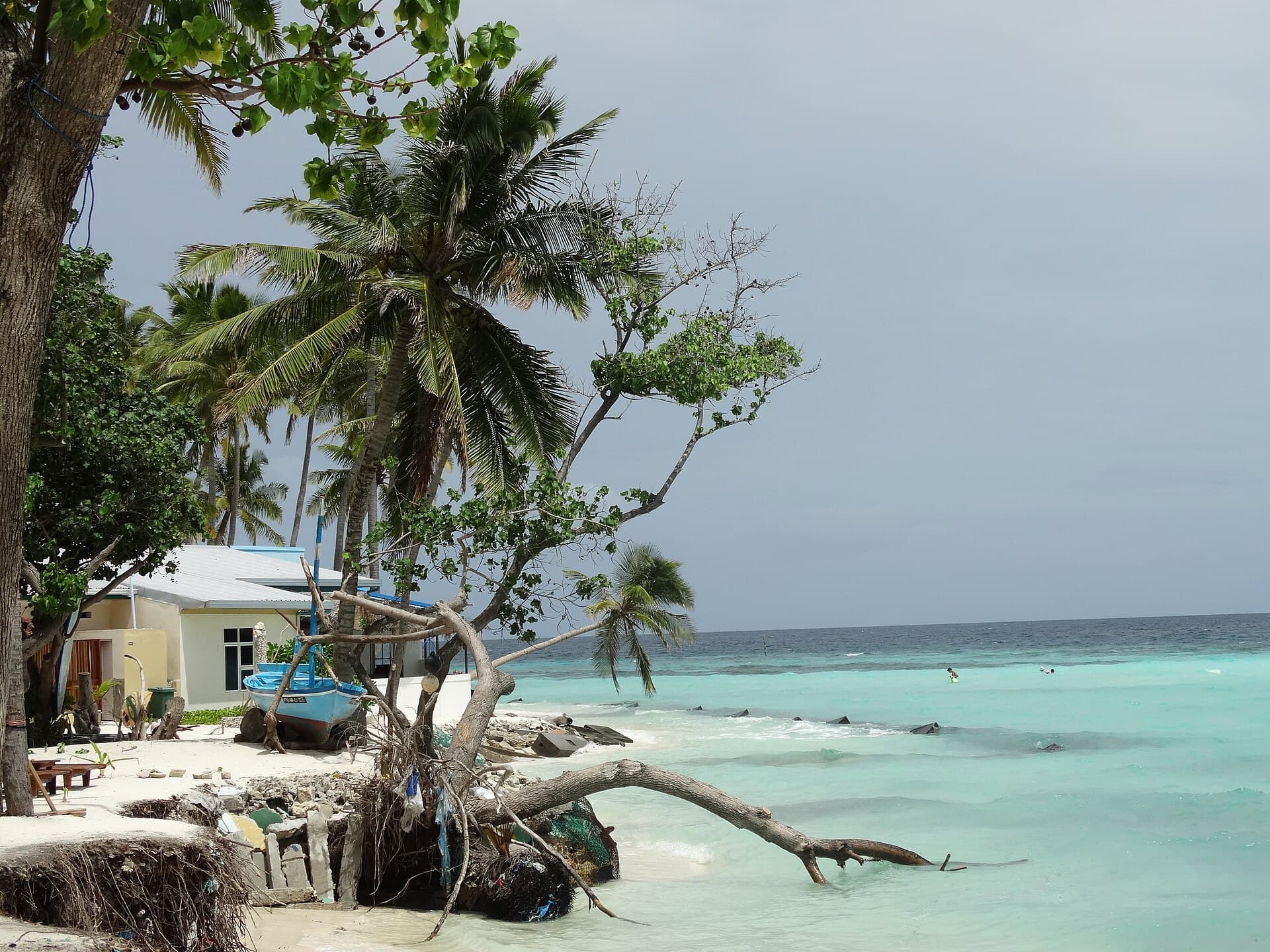
So the real question is which Maldives you want. Splurge on a resort island for the once-in-a-lifetime version, all butler service and infinity pools; or base yourself on a local island for a cheaper, more grounded trip with day-trips to sandbanks and reefs — remembering these are conservative Muslim communities (cover up off the tourist beaches, no alcohol). Either way, three or four days is plenty. Come to switch off, not to sightsee.
Best time to visit Maldives from India
November to April — the dry north-east monsoon, with calm sunny days, flat seas and the clearest water for snorkelling and diving.
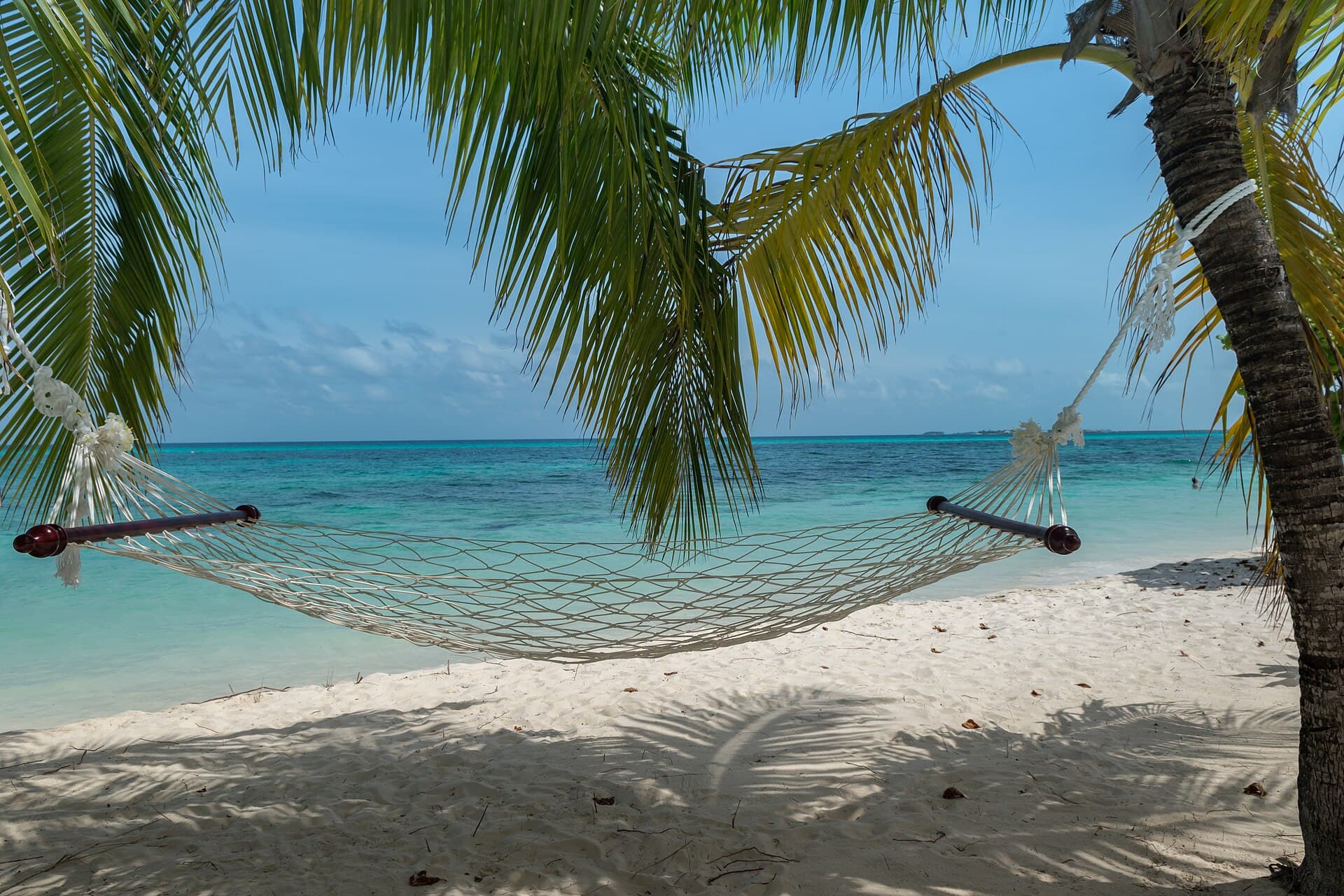
The dry season, roughly November to April, is prime: sunshine, calm seas and superb underwater visibility (December to March is peak, and priced accordingly). The May–October wet season brings more rain, wind and choppier water — but also lower prices and, on the right atolls, the best chance of snorkelling with manta rays and whale sharks, which follow the plankton. There’s no truly bad time; just a trade-off between weather and wallet.
NovDecJanFebMarApr
Maldives visa for Indian passport holders
Good news — Maldives is visa-free or visa-on-arrival for Indian passport holders.
- TypeFree visa on arrival (30 days)
- Processing~0 days
- CostFree
Every visitor, Indians included, gets a free 30-day visa stamped on arrival — nothing to arrange in advance. You’ll need a passport valid six months, a confirmed hotel/guesthouse booking and an onward ticket. Fill in the free online Traveller Declaration (IMUGA) within 96 hours of your flight.
How much does a Maldives trip cost from India?
| Item | Estimated cost |
|---|---|
| Flights (return) | ₹28,000 |
| Hotels / stay | ₹30,000 |
| Food | ₹12,000 |
| Local transport | ₹12,000 |
| Activities & sightseeing | ₹8,000 |
| Total · 5 days | ₹90,000 |
Things to do in Maldives
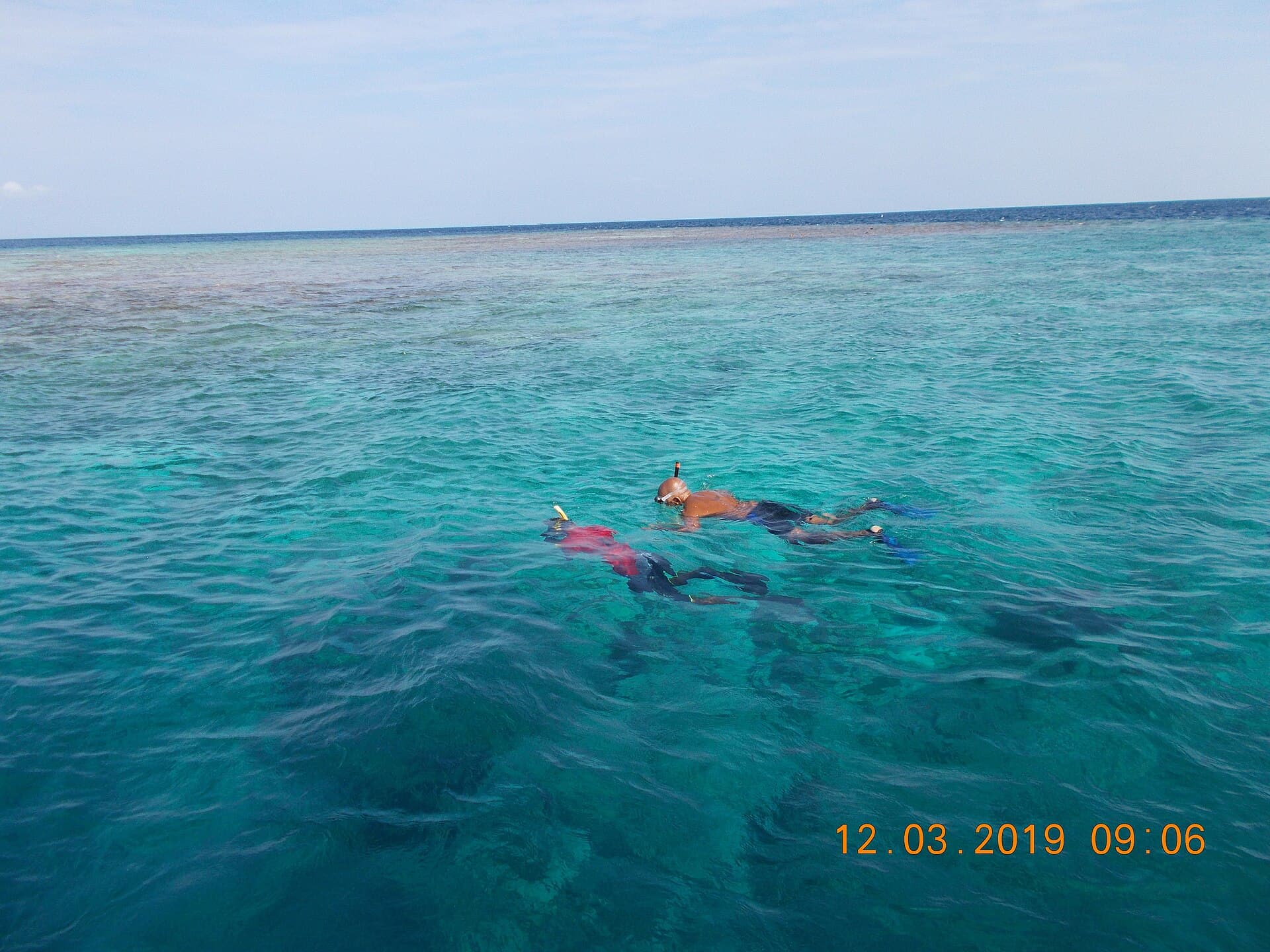 Snorkel or dive the house reefThe whole point of the Maldives is underwater. Most islands have a “house reef” a short swim from the beach, where you drift over coral gardens with turtles, reef sharks, moray eels and clouds of neon fish. Book a dive if you’re certified, or just grab a mask — the snorkelling is world-class and often free. On the right atolls in season, you can swim with manta rays and even whale sharks.
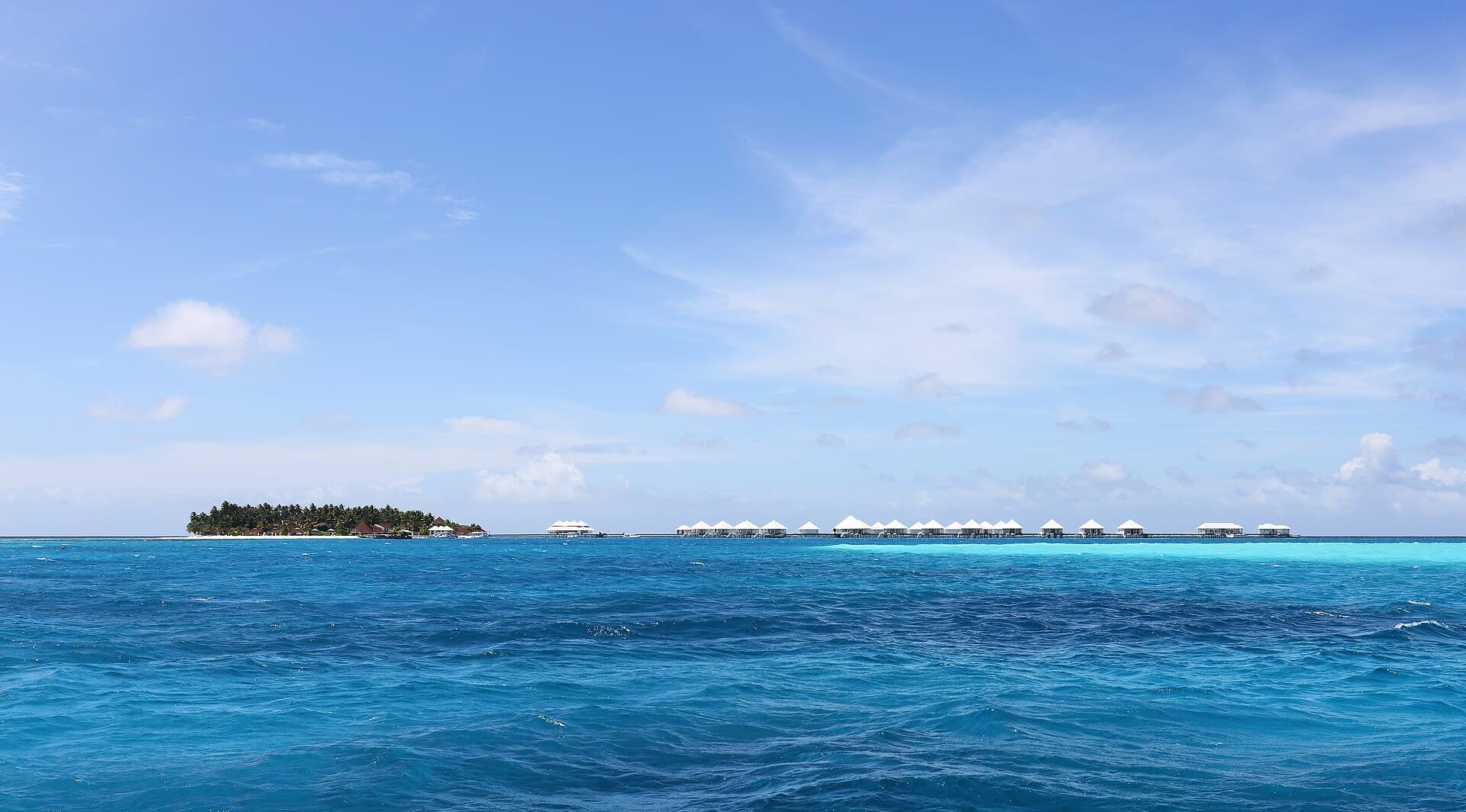 Stay in an overwater villaThe bucket-list splurge: a villa on stilts over a glass-clear lagoon, with a ladder from your deck straight into the sea and fish visible through the glass floor. It’s the honeymoon dream and worth doing once if the budget allows — wake up, roll out of bed, swim. Even a night or two of it, tacked onto a cheaper guesthouse trip, makes the whole holiday.
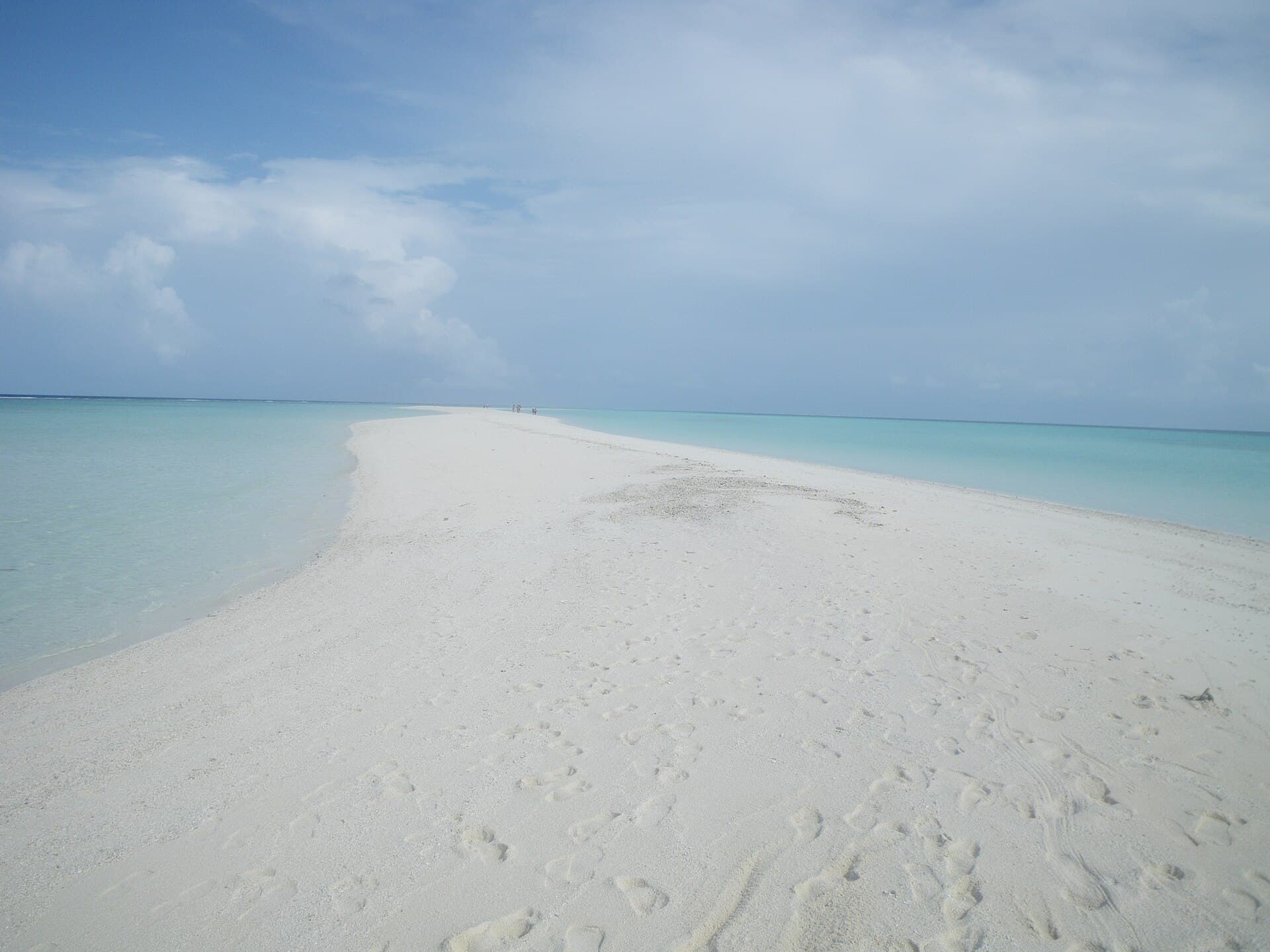 A sandbank picnicA boat drops you on a tiny crescent of pure white sand in the middle of the ocean — no buildings, no shade, just you, a cooler and 360 degrees of turquoise. It’s the most Maldives thing you can do: a few hours of swimming, snorkelling and doing gloriously nothing on a scrap of land that half-disappears at high tide. Almost every guesthouse and resort runs the trip.
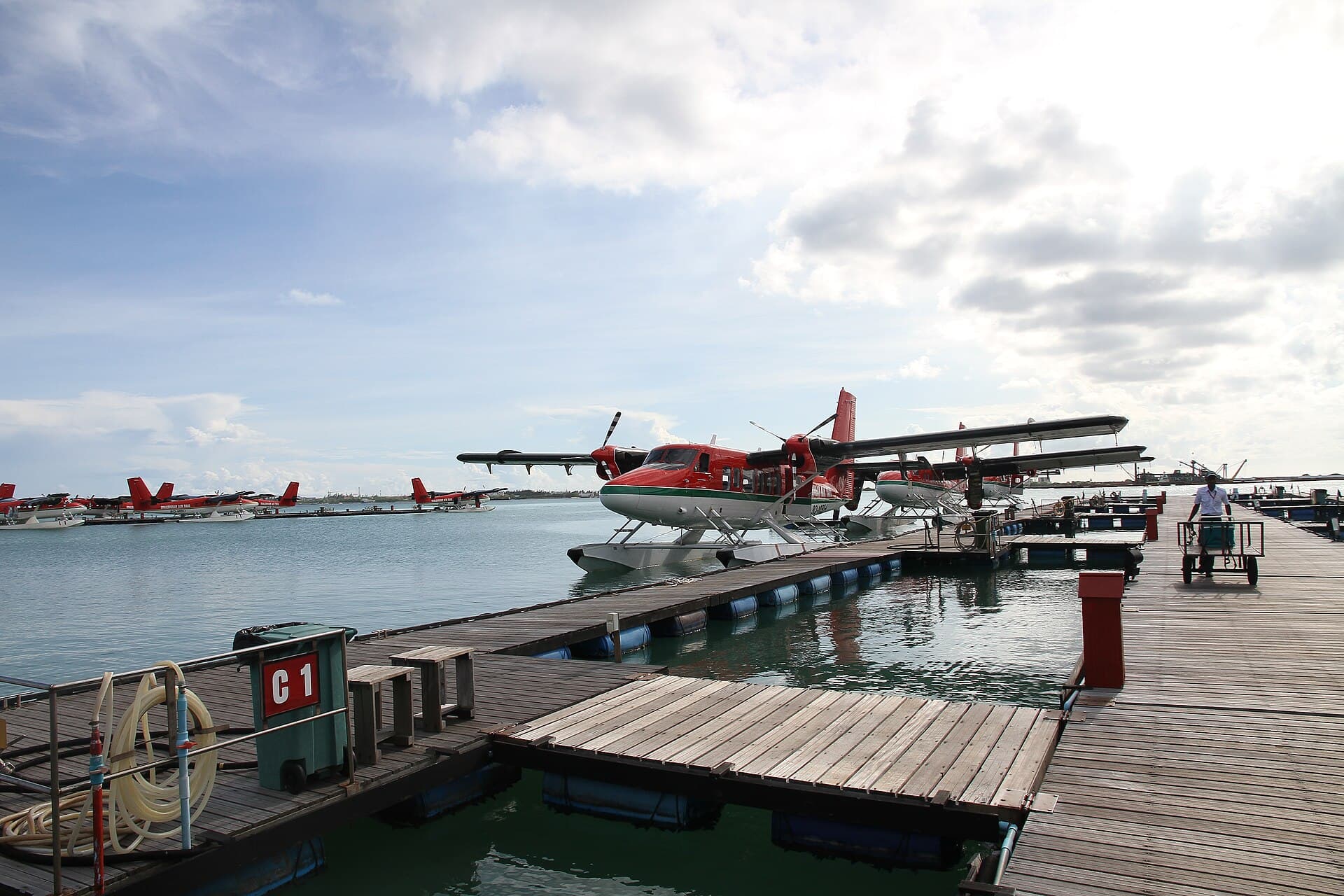 Island-hop by seaplaneGetting around the Maldives is half the spectacle. The transfer from Malé to your island is often by seaplane — a little pontoon plane that skims low over a mosaic of atolls, reefs and impossibly blue water, with a barefoot pilot at the controls. It’s pricey, but it’s one of the great scenic flights anywhere, and the aerial view of the atolls is the image you’ll remember.