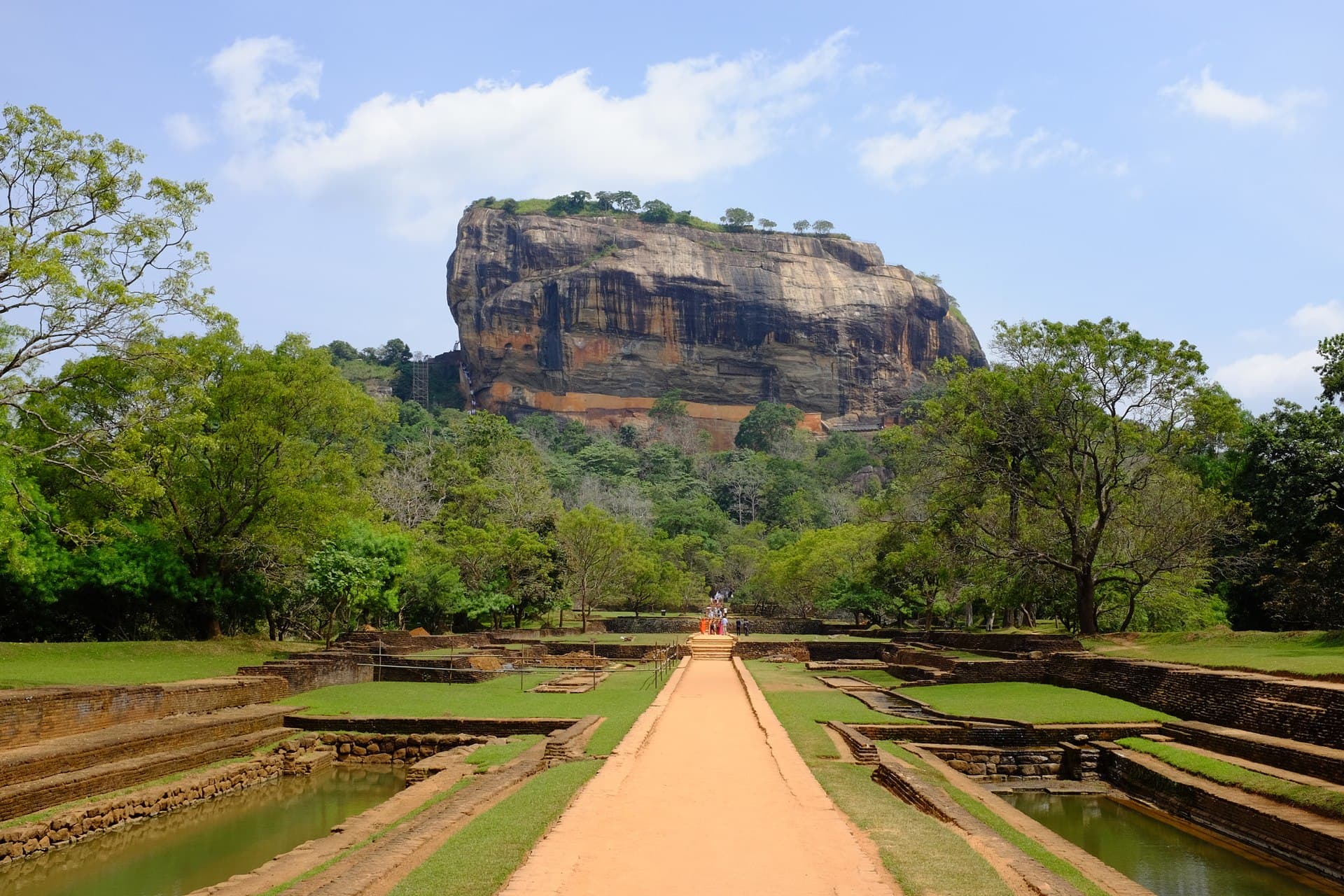
Sri Lanka · South Asia
Sri Lanka
A whole subcontinent of scenery squeezed onto one small island a couple of hours from India — ancient rock fortresses, tea-country trains, leopards and a coast full of near-empty beaches. Easy on the visa, easy on the wallet, and far too often overlooked.
from ₹55k average trip from India
Why visit Sri Lanka
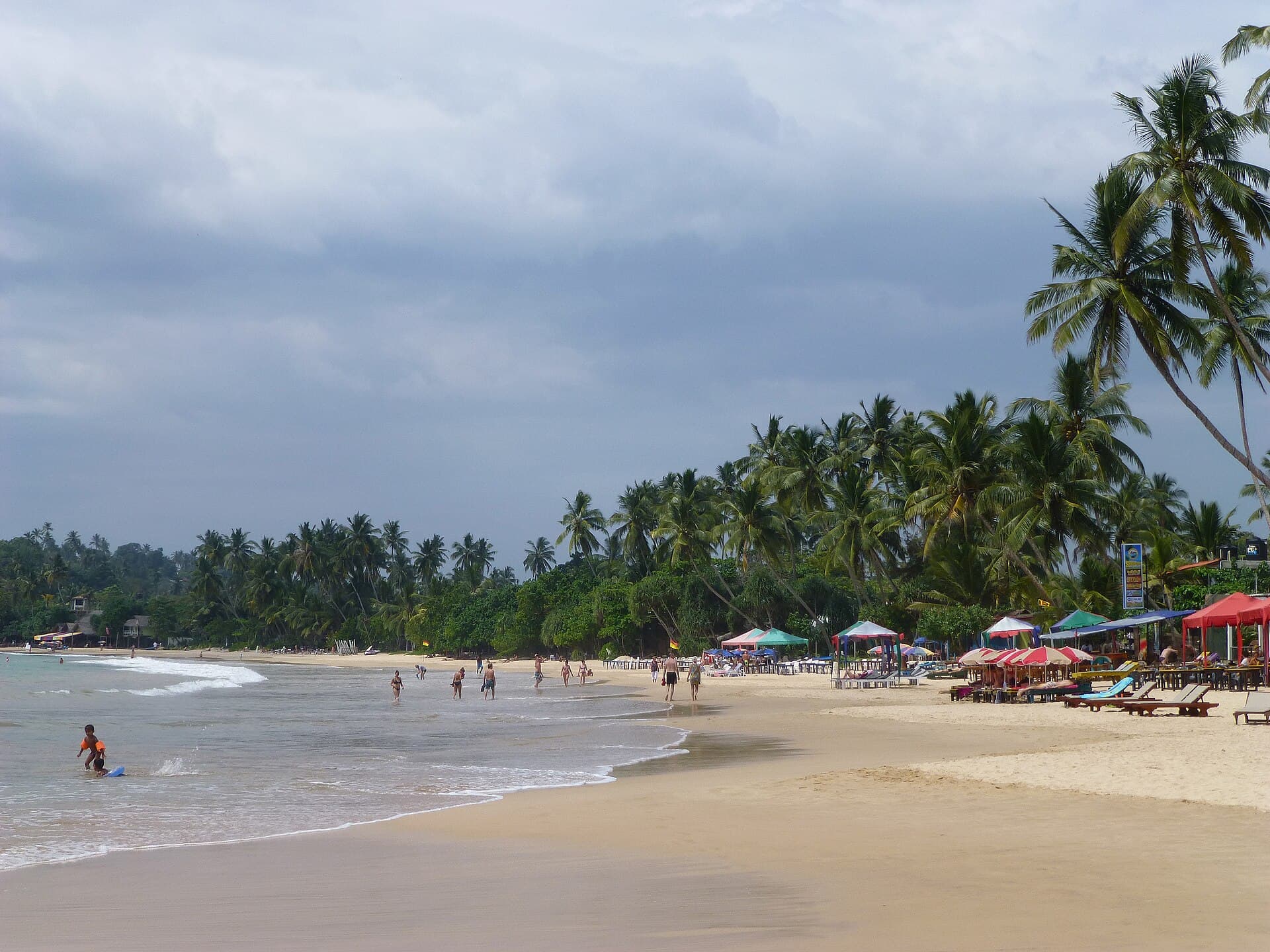
For somewhere you can reach faster than you can fly across your own country, Sri Lanka packs in an absurd amount. In a single week you can climb a 1,500-year-old rock fortress, ride a sky-blue train through emerald tea hills, track leopards at dawn, and end the day with a king coconut on a near-empty beach. It’s small enough to feel intimate and varied enough to feel like four countries stitched together.
For an Indian traveller it’s almost embarrassingly easy. The flight from the south is shorter than a Delhi–Bangalore hop, the ETA visa is a quick online form, and the culture rhymes with home in all the comforting ways — the temples, the rice and curry, the cricket-mad warmth. Your rupee goes a long way too: this is genuinely one of the best-value trips in the region, where mid-range money buys boutique-hotel comfort.
The one thing to understand is the weather, because the island runs on two monsoons. Roughly December to March is prime time for the west and south coasts and the cultural triangle — the route most first-timers take. The roads are slow and winding, so don’t over-plan: pick the hill-country train, one ancient city, one safari and one stretch of coast, and let the rest go. Sri Lanka rewards the traveller who isn’t in a hurry.
Best time to visit Sri Lanka from India
December to March — the dry season for the west and south coasts and the cultural triangle, which is where most first trips go.
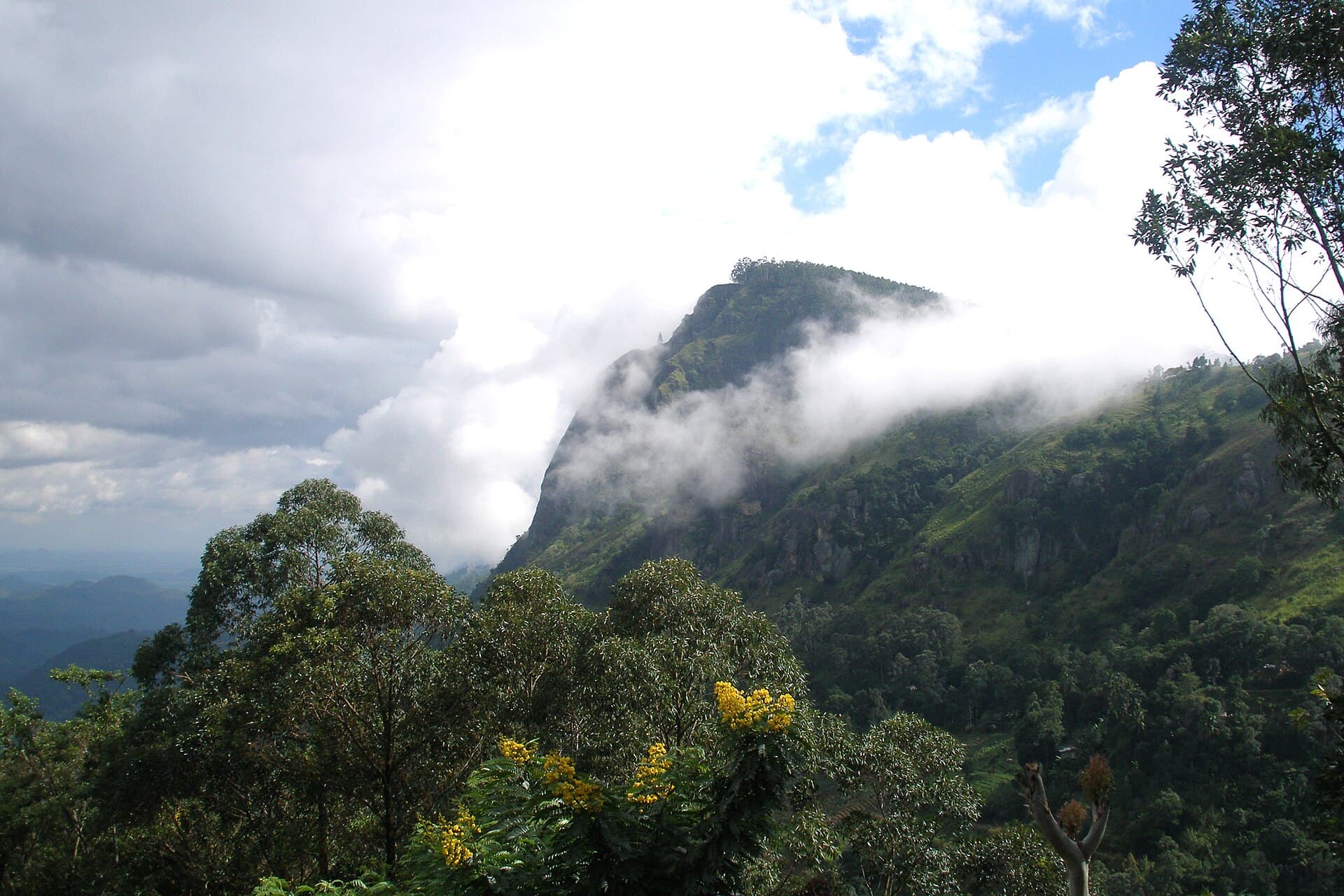
Sri Lanka has two monsoons, so there’s always a dry coast somewhere. December to March suits the south, the west (Colombo, Galle) and the hill country — the classic first-timer route. May to September flips it: the east coast (Trincomalee, Arugam Bay) shines while the southwest gets rain. The hill country stays cool and misty year-round, so pack a layer for the tea-country nights whatever the season.
DecJanFebMar
Sri Lanka visa for Indian passport holders
Indian passport holders need a visa for Sri Lanka.
- TypeETA (Electronic Travel Authorisation)
- Processing~2 days
- Cost~₹4,000 (around USD 50) — check for current fee waivers
Apply online for the ETA before you fly; approval usually comes within a day or two. Fees and free-visa pilot schemes have changed a few times lately, so confirm the current rate on the official ETA portal.
How much does a Sri Lanka trip cost from India?
| Item | Estimated cost |
|---|---|
| Flights (return) | ₹14,000 |
| Hotels / stay | ₹14,000 |
| Food | ₹8,000 |
| Local transport | ₹9,000 |
| Activities & sightseeing | ₹9,000 |
| Total · 7 days | ₹54,000 |
Things to do in Sri Lanka
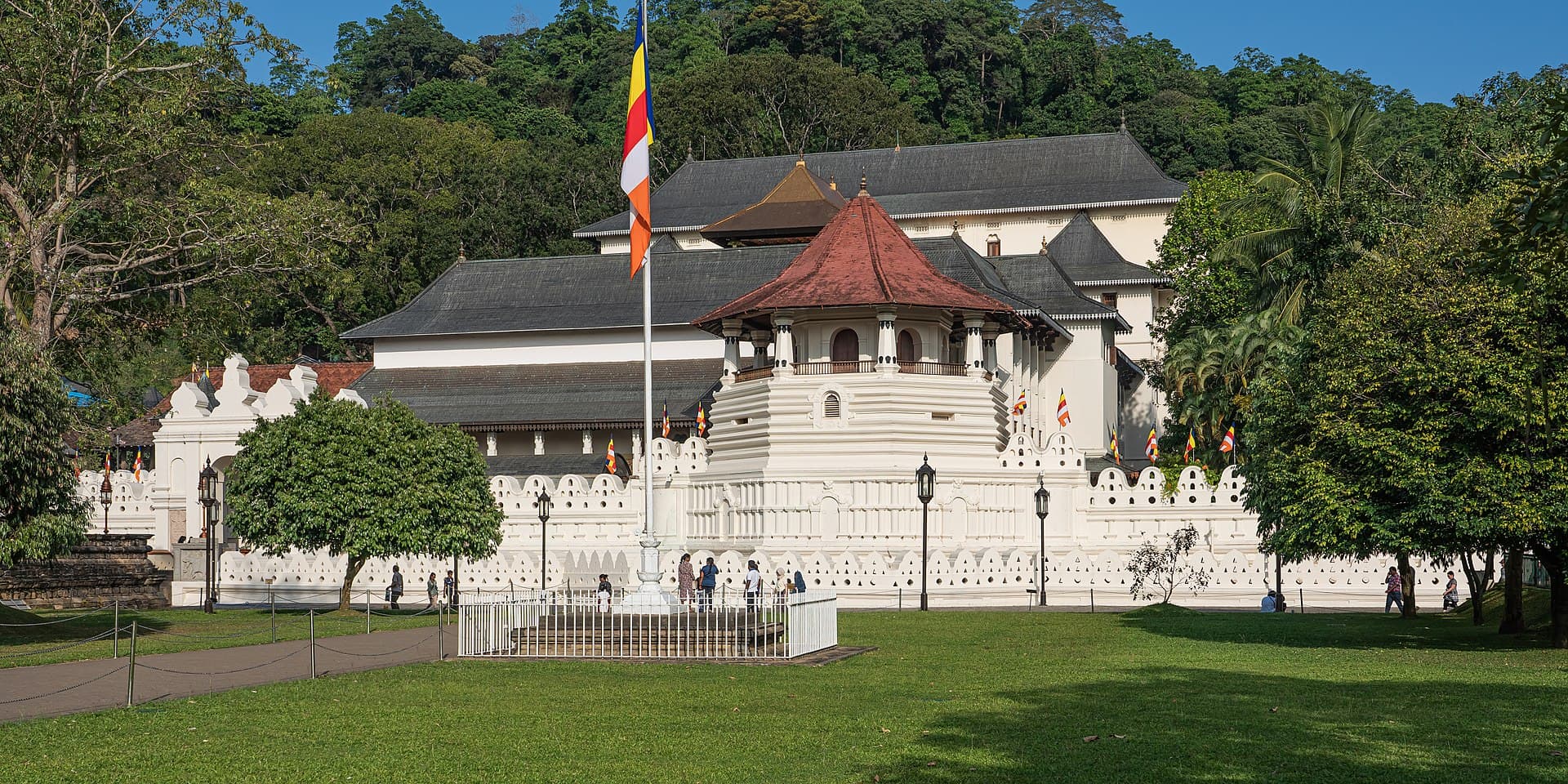 Kandy & the Temple of the ToothThe hill capital and spiritual heart of the island, set around a misty lake. Its Temple of the Sacred Tooth Relic — said to hold a tooth of the Buddha himself — is the holiest site in Sri Lankan Buddhism; come for the evening puja, when drummers fire up and pilgrims press in with lotus flowers. Kandy is also the gateway to the tea country and the start of that famous train, so it slots neatly into any route.
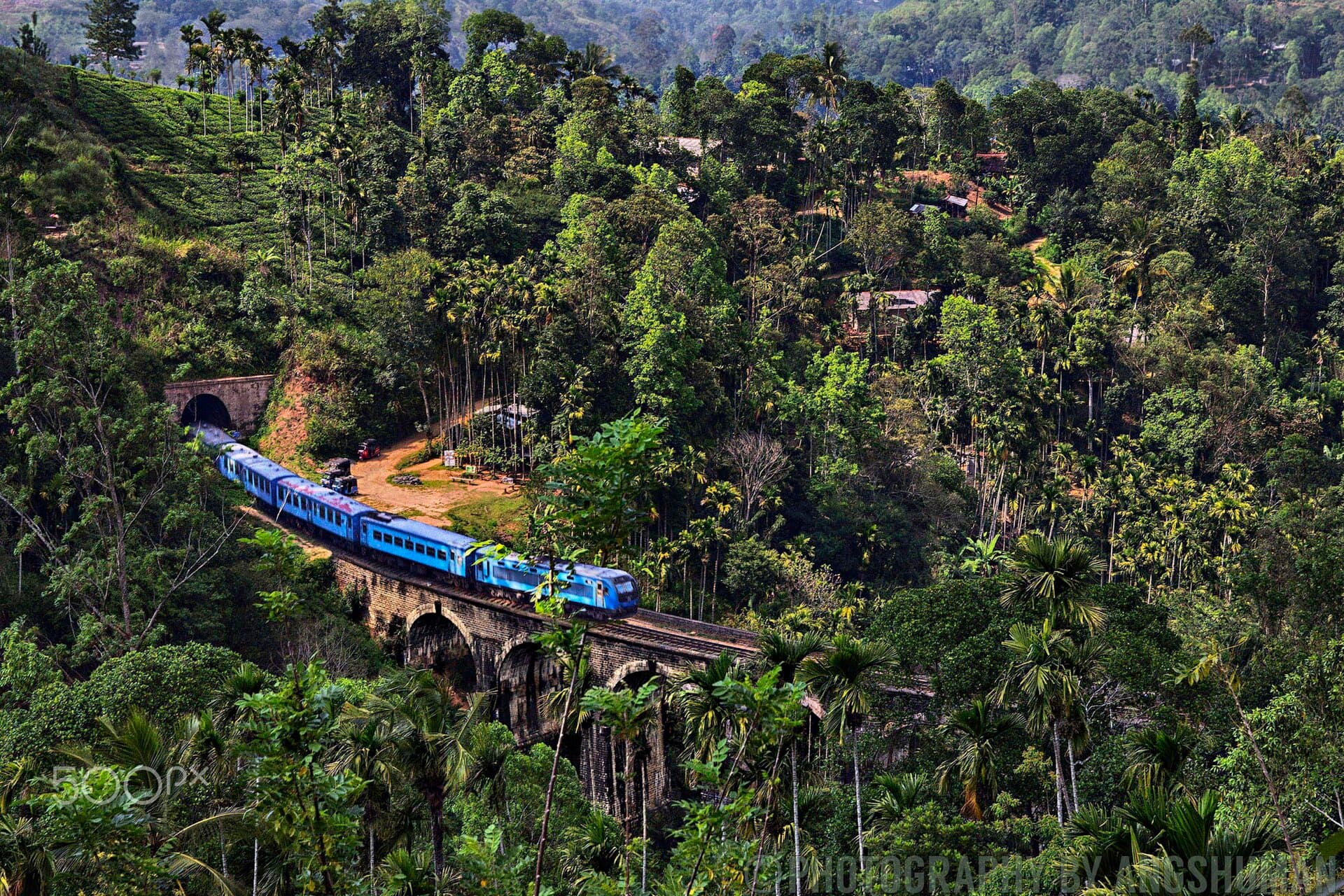 The Kandy–Ella tea-country trainOne of the great train journeys on earth — a slow, sky-blue train winding for hours through misty tea plantations and over the famous Nine Arch Bridge, doors flung open, hill air pouring in. Book a reserved seat in advance, or just hang in the doorway like everyone else and watch the highlands roll by. Don’t rush it; the journey is the destination.
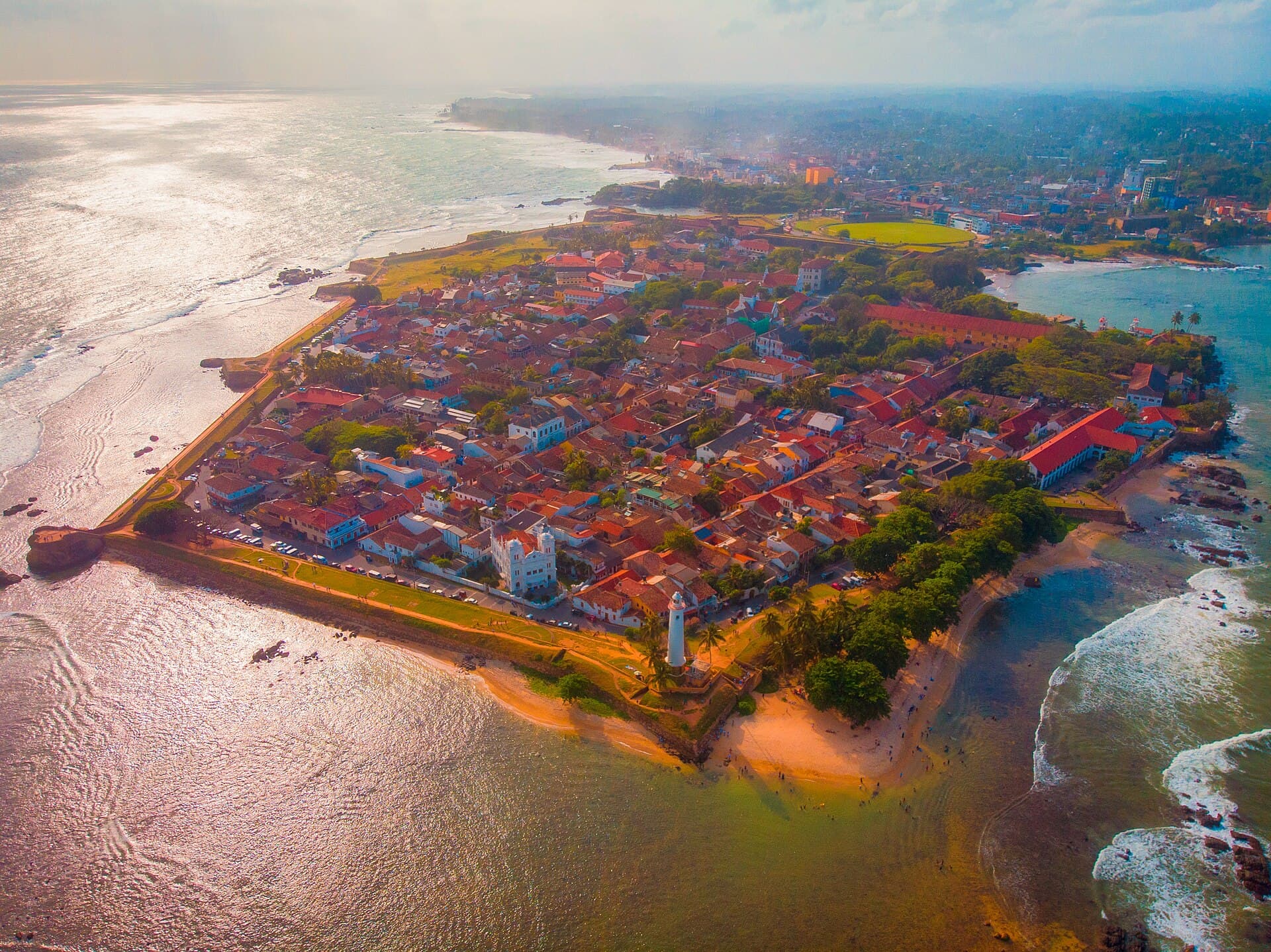 Galle Fort at golden hourA walled Dutch colonial town on a headland in the south — cobbled lanes, boutique cafés in old merchant houses, a lighthouse and ramparts made for an evening stroll as the sun drops into the sea. It’s the most photogenic town in the country and the perfect slow day after the temples and the trains.
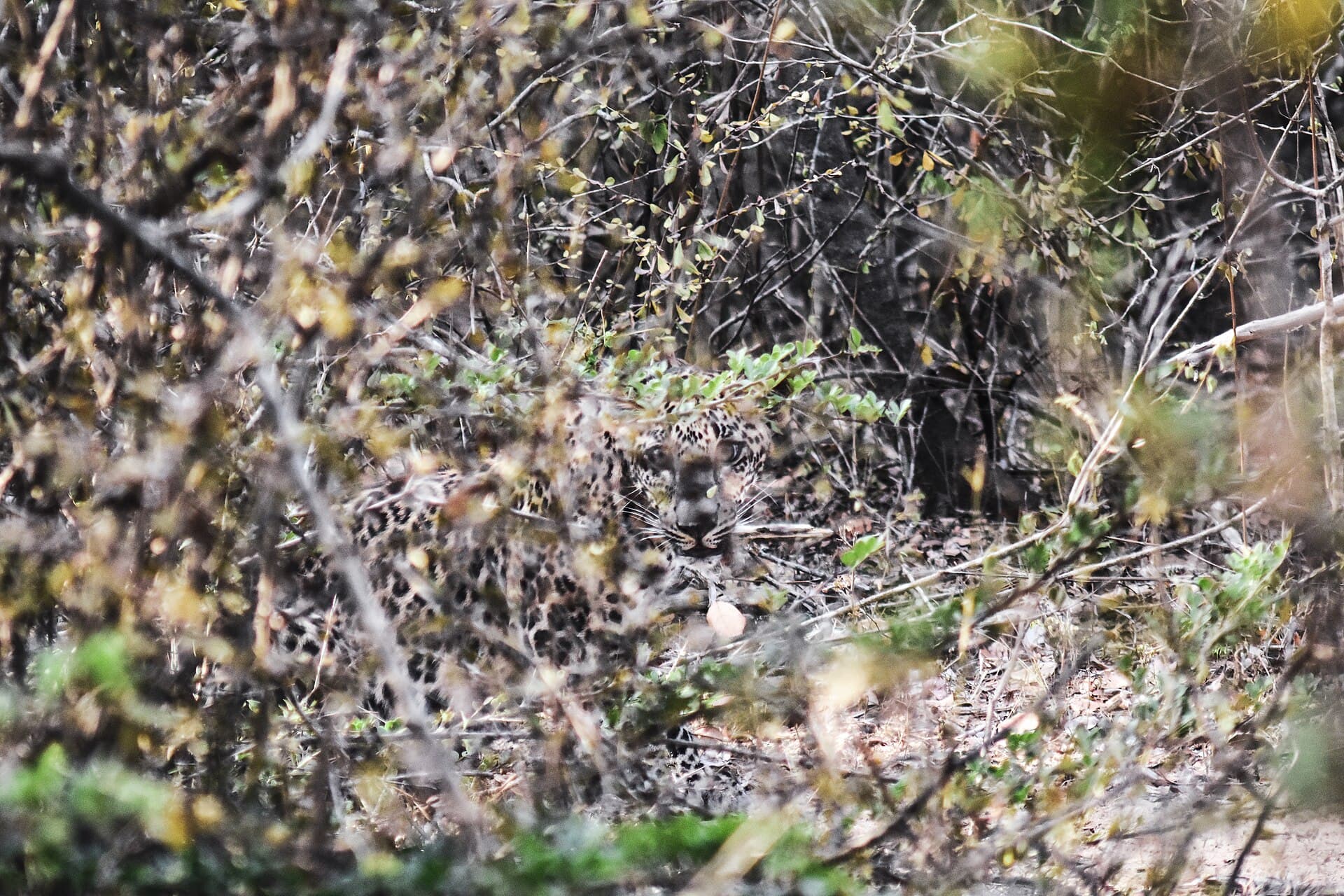 A safari in YalaSri Lanka has about the highest density of leopards anywhere on the planet, and Yala is where you go to find them — along with elephants, crocodiles, sloth bears and peacocks, in scrubland that runs down to the sea. Take a dawn jeep safari, keep your expectations honest (it’s wild, not a zoo), and the moment a leopard slinks across the track will stay with you.